 Reviews

 Proudly American

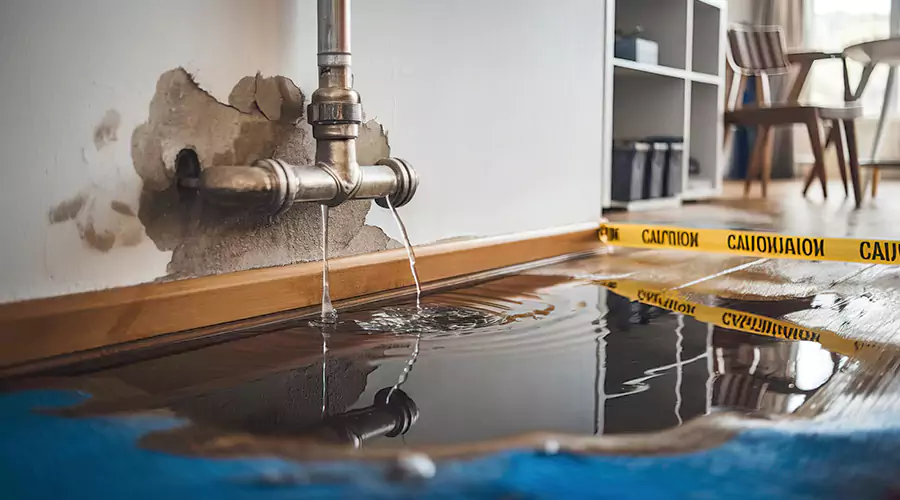
Small water leaks may not look serious at first. A slow drip under the sink, a tiny stain on the ceiling, a damp spot near the water heater, or a small leak behind a toilet can seem like a minor issue. Many homeowners ignore these problems because there is no major flooding or standing water.
The problem is that small leaks can cause big property damage when they continue over time. Water does not need to rush through the home to damage walls, floors, cabinets, insulation, ceilings, and wood framing. Even a slow leak can spread into hidden areas and create mold, odors, stains, rot, and expensive repairs.
Understanding why small water leaks are dangerous can help homeowners act early and protect their property before the damage gets worse.
Why Small Leaks Are Easy to Ignore
Small leaks often go unnoticed because they do not always create an emergency right away. A pipe may drip slowly inside a cabinet. A roof leak may only show during heavy rain. A toilet supply line may leave a small damp area near the baseboard. An appliance hose may leak behind the machine where no one checks every day.
Homeowners may wipe the water, place a towel under the leak, or wait to see if it happens again. While this may seem reasonable, the water may already be soaking into nearby materials.
Small leaks are risky because they often hide behind:
- Walls
- Cabinets
- Baseboards
- Flooring
- Ceilings
- Appliances
- Insulation
- Crawl spaces
By the time the damage becomes visible, the leak may have been active for days, weeks, or even longer.
Water Spreads Behind the Surface
Water moves through small cracks, seams, and porous materials. It can travel behind drywall, under flooring, into carpet padding, and around wood framing. This means the visible wet spot is not always the full damaged area.
For example, a small leak under a kitchen sink may only show as a damp cabinet floor. However, water may also be reaching the wall behind the cabinet, the baseboard, and the flooring underneath. A small roof leak may create one ceiling stain, but the attic insulation above it may be wet.
This hidden spread is one reason small leaks should be inspected quickly.
Small Leaks Can Cause Mold Growth
Mold is one of the biggest risks from small water leaks. Mold needs moisture, a food source, and the right indoor conditions to grow. Drywall, wood, insulation, carpet, and paper backed materials can provide the surface mold needs.
A slow leak can keep an area damp for a long time, especially in dark spaces with poor airflow. Mold may grow behind walls, under sinks, in closets, around windows, or beneath flooring before anyone sees it.
Warning signs of mold after a small leak include:
- Musty odors
- Dark spots on walls or ceilings
- Peeling paint
- Soft drywall
- Damp cabinet smell
- Allergy like symptoms indoors
- Mold returning after cleaning
If the moisture source is not fixed, mold can keep coming back.
Drywall and Paint Can Become Damaged
Drywall absorbs water easily. A small leak behind a wall or above a ceiling can make drywall soft, stained, swollen, or crumbly. Paint may bubble, peel, crack, or discolor.
At first, the damage may look like a small stain. Over time, the area can spread and weaken. If the drywall stays wet, it may need to be removed and replaced instead of simply painted over.
Painting over a water stain does not solve the problem. If moisture remains inside the wall, the stain may return and mold may grow behind the surface.
Flooring Can Warp or Buckle
Small leaks can also damage flooring. Water may move under tile, vinyl, laminate, hardwood, or carpet. Once moisture reaches the subfloor or padding, it can stay trapped.
Floor damage may show up as:
- Buckling planks
- Warped hardwood
- Loose tiles
- Soft spots
- Damp carpet odor
- Staining near baseboards
- Lifting vinyl or laminate
Flooring damage can become expensive because the problem may not stay limited to one small area. If the leak continues, the subfloor may also need repair.
Cabinets and Trim Can Swell
Kitchen cabinets, bathroom vanities, baseboards, and trim are often damaged by small leaks. These materials may absorb water slowly and begin swelling, cracking, or separating.
Under sink leaks are especially common. A small drip from a supply line, drain pipe, or garbage disposal can damage the cabinet floor and nearby wall. In bathrooms, small leaks near toilets, tubs, and sinks can damage trim and flooring.
Once cabinets swell or warp, they may be difficult to restore without repair or replacement.
Small Leaks Can Lead to Wood Rot
When wood stays damp for a long time, it can begin to rot. Wood rot can affect framing, subfloors, trim, cabinets, and structural supports. This can happen slowly, but the damage can become serious if the leak continues.
Signs of possible wood damage include soft spots, discoloration, cracking, musty smells, or wood that feels weak when touched. Wood rot is more likely in areas with poor airflow, such as crawl spaces, wall cavities, and under cabinets.
Water Leaks Can Increase Repair Costs
A small leak may be inexpensive to fix if it is caught early. However, delayed cleanup can increase the total cost because more materials may become damaged.
A simple plumbing repair can turn into drywall replacement, flooring repair, mold remediation, cabinet repair, paint work, and odor removal. The longer the leak continues, the more likely it is that hidden materials will need attention.
Fast repair and water damage restoration can help prevent small leaks from becoming major property damage.
Common Places Small Leaks Start
Homeowners should check high risk areas regularly. Many small leaks begin in places that are easy to overlook.
Common leak locations include:
- Under kitchen sinks
- Bathroom vanities
- Toilet supply lines
- Water heaters
- Washing machine hoses
- Dishwashers
- Refrigerators with water lines
- Roof flashing
- Windows and doors
- Attics
- Basements and crawl spaces
A quick monthly check can help catch problems before they spread.
What Homeowners Should Do After Finding a Small Leak
If you find a small leak, do not ignore it. Stop the water source if possible and inspect the surrounding area. Look for stains, soft materials, musty smells, swollen trim, or damp flooring.
Helpful steps include:
- Turn off the water supply if needed
- Move belongings away from the leak
- Take photos of the damage
- Dry visible water safely
- Avoid painting over stains
- Watch for musty odors
- Call a plumber to fix the source
- Call a restoration company if materials are wet
If water reached drywall, flooring, cabinets, insulation, or ceilings, a professional moisture inspection is a smart step.
Final Thoughts
Small water leaks can lead to big property damage because water spreads into hidden areas and stays trapped inside building materials. Over time, a minor drip can cause mold, soft drywall, warped flooring, swollen cabinets, wood rot, stains, and higher repair costs.
Homeowners should treat small leaks seriously. Fix the source quickly, check nearby materials, document the damage, and call a restoration company if moisture may be hidden. Acting early can protect your home and help you avoid a much larger repair project later.